
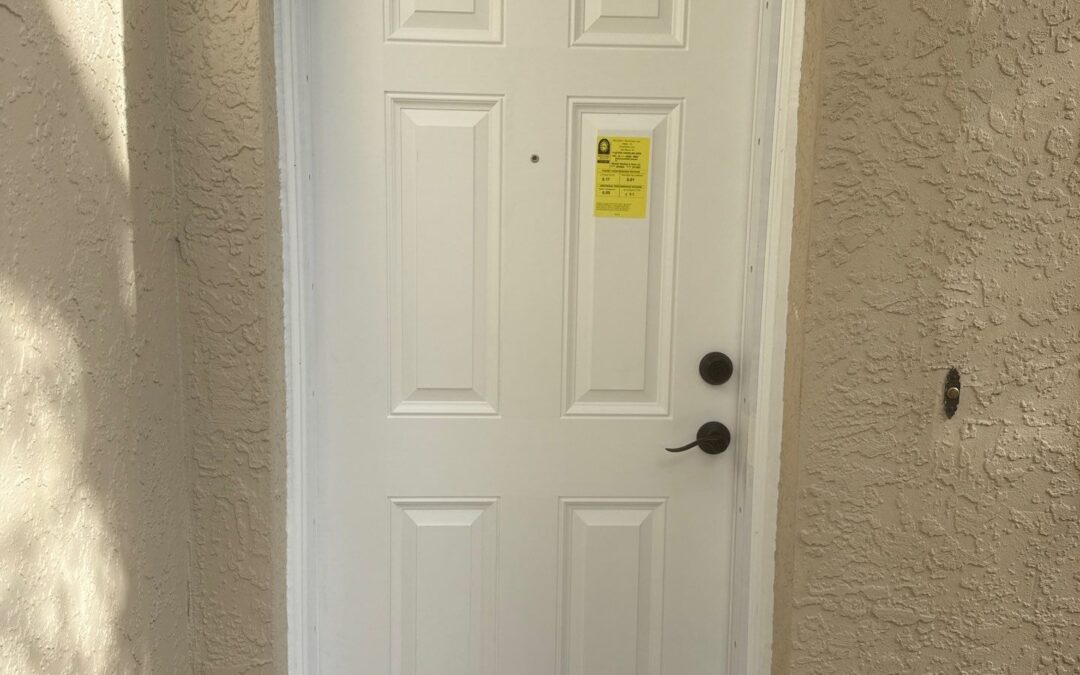
Your front door might seem strong enough, but in a storm, it’s usually the first thing to go. It takes the full force of wind, pressure changes, and flying debris before anything else. One failure here can lead to bigger problems throughout your home.
In Safety Harbor, FL, having impact doors isn’t just about meeting code, it’s about protecting everything inside. Mitchell Windows and Doors installs impact-rated options that do more than just look sturdy from the street. They’re built to stay standing when the weather turns dangerous.
Here are the real reasons your front door could fail first in a storm.
Key Takeaways
- Most front doors aren’t built to handle the full force of a storm, no matter how solid they look.
- Small parts like hinges, frames, and latches can quietly fail long before the entire door gives way.
- A door that gives under pressure doesn’t just let in wind and water, it can trigger major structural damage throughout the home.
Wind Finds the Weakest Link
A storm doesn’t treat your home equally. It targets the weakest link, and for many homes, that’s the front door. When high-speed winds hit a standard entryway, the door can begin to deform structurally, not just visibly. This subtle warping allows air to force its way in, setting off dangerous pressure imbalances inside the home.
Pressure Differential Turns Doors into Traps
During a storm, outside air pressure drops quickly while indoor pressure remains higher. That sudden contrast creates an intense push or pull on the door that typical hardware can’t resist. It’s not just wear and tear, it’s a violent battle of forces that ends with the door giving way.
Failure Often Starts in the Frame
The door slab might seem like the obvious failure point, but it’s often the frame that fails first. Without reinforced materials and proper anchoring, frames can bend, crack, or even detach under stress. Once the frame weakens, even a strong or locked door becomes an easy target.
One Compromise, Chain Reaction
When a door fails, it’s not just wind getting in, it’s a surge of pressure looking for an escape. That rush can blow out windows from the inside or exert upward force on the roof. A single breach can transform a secure home into a compromised structure in moments.
Hinges Aren’t Holding What You Think
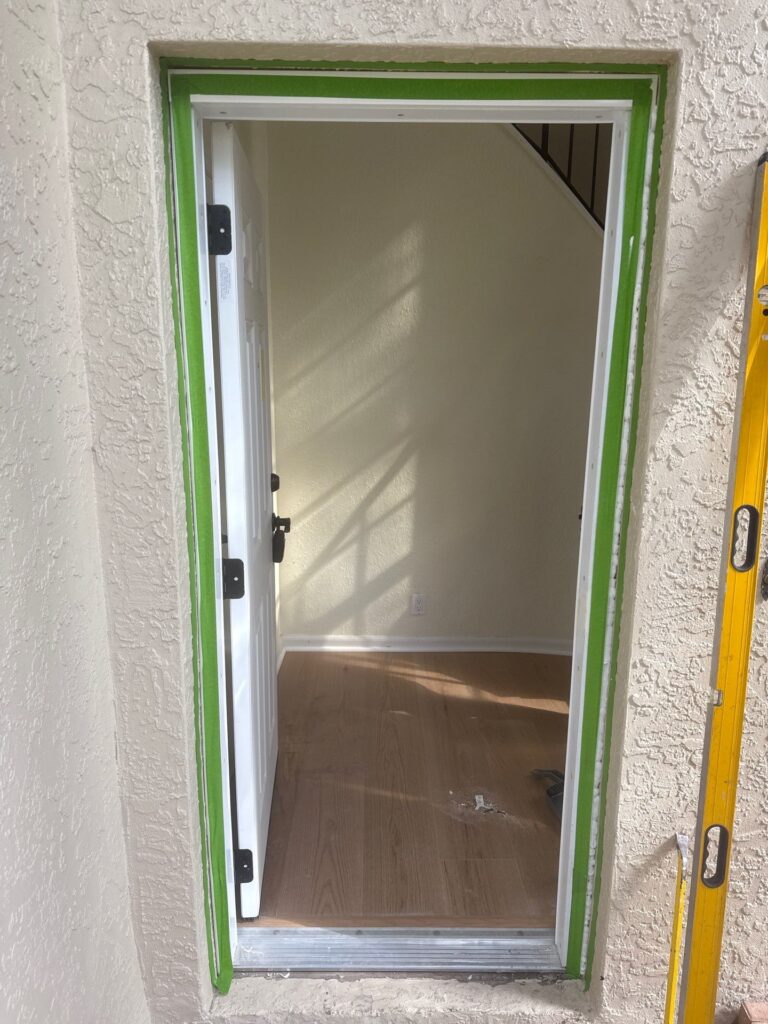
Most doors look solid, but what holds them in place can be surprisingly weak. The hinges are usually attached with small screws that don’t go very deep into the frame. In high winds, those screws can rip out fast, sending the door flying open.
When a door tears loose at the hinges, it doesn’t just swing open. It can fully detach, leaving your home exposed in the middle of a storm. Once that happens, it’s almost impossible to stop wind and water from rushing in.
Impact doors in Safety Harbor, FL, are designed to stay connected even under extreme pressure. Mitchell Windows and Doors uses reinforced hinges and longer screws that grab deep into the structure. That kind of strength can hold firm when standard doors fail.
Deadbolts Don’t Mean Storm Security
A deadbolt might make a door feel secure, but it doesn’t stand a chance against storm pressure. Hurricanes push, pull, and twist doors in ways a single lock can’t handle. Wind attacks the entire surface, not just the spot where the deadbolt sits.
Wind behaves like a force trying to find weakness, not just an air current. It creates movement across the entire door, and if only one point is locked, the rest can start to flex or tear. A basic deadbolt does little to stop that kind of strain.
Multi-point locking systems offer a stronger defense by securing the door at several places along the frame. This helps spread out the pressure and reduces the risk of failure during extreme weather. Stronger locks aren’t just about protection, they’re about keeping the entire structure sealed when it matters most.
Door Frames Are Often Just Decorative Trim
Most homeowners focus on the door panel and forget about the frame holding it in place. In many homes, the frame is little more than finished trim designed for appearance rather than strength. When strong winds hit, that outer border can crack or pull loose under pressure.
Wood and lightweight aluminum frames can split as the structure shifts during a storm. Once the frame weakens, the door loses its support and can swing inward or break free. Even a thick door slab cannot stay secure if the structure around it starts to fail.
Impact doors are built as complete systems, not just upgraded panels. Reinforced steel or composite frames help spread out force across the entire opening. This added strength keeps the entry sealed when severe weather pushes against it.
Thresholds Can’t Handle Pressure
The bottom edge of the door is one of the first places storms push against. Most standard thresholds aren’t designed to withstand strong winds or driving rain. Even a small weakness near the floor can allow pressure to build and start lifting the door.
Water often finds its way in through tiny spaces under the door. Once moisture slips through, it can soak into the subfloor and weaken the structure beneath. Over time, this damage spreads beyond the entry and into the walls.
Impact doors in Safety Harbor, FL, use reinforced thresholds that do more than just sit under the door. They lock into place with stronger seals and materials built for real force. Mitchell Windows and Doors installs these systems to keep the base of your entry just as strong as the rest.
Pressure Changes Turn Your Home Into a Balloon
Air pressure during a hurricane does more than rattle windows. Once the front door gives way, outside wind rushes in and shifts the balance inside the home within seconds. That sudden change forces the structure to absorb stress it was never designed to handle.
Here is what happens when internal pressure spikes:
- Roof Lift Begins: Trapped air pushes upward against the roof deck, weakening the connection points that hold it in place. Shingles, underlayment, and even roof panels can peel away as pressure looks for an escape path.
- Wall Separation: Expanding air presses outward on exterior walls and strains the joints where framing meets corners. Cracks form quickly, and structural ties can loosen under the force.
- Window Blowout: Interior pressure turns ordinary windows into release valves. Glass can shatter outward, spreading debris and increasing structural exposure.
- Structural Chain Reaction: Once one major component fails, stress shifts to the next weakest area. The home begins to lose its sealed envelope, leading to rapid and widespread damage.
Impact doors help prevent this chain reaction by keeping the building envelope sealed and stabilizing pressure before it spirals out of control.
Hidden Fasteners Can’t Withstand the Forces
The strength of your front door depends on more than just the slab or the lock. What holds it all together are the fasteners hidden beneath the trim and frame. In many homes, those fasteners are little more than small nails or short screws that weren’t chosen with storms in mind.
During a hurricane, wind doesn’t just hit once and move on. It pulls, pushes, and shakes the door over and over, wearing down weak spots with every cycle. Fasteners that seemed secure can start to shift, loosen, or even snap under that kind of stress.
Impact-rated doors are built differently from the inside out. They use stronger fasteners that grip deeper and stay locked in place, even in violent conditions. This kind of strength helps protect the entire entryway when everything else is being tested.
Water Damage Doesn’t Wait for Structural Failure
Most storm damage stories start with something dramatic, but water usually begins its work in silence. Heavy rain, mixed with strong wind, can slip through tiny openings around a door without anyone noticing. A home can look secure on the outside while moisture is already working its way inward.
That moisture doesn’t stay in one spot. It seeps into flooring, creeps into wall cavities, and settles into hard-to-dry materials. Over time, wood weakens, insulation breaks down, and hidden areas become breeding grounds for mold.
Impact-rated doors are designed to shut out more than flying debris. Their compression seals and tight construction help block wind-driven rain before it crosses the threshold. Keeping water outside protects the parts of your home you never see but rely on every day.
Frame Anchoring Isn’t Always Code Compliant
A door can look strong and still be poorly secured behind the surface. Many front door frames are attached using trim pieces or wood shims rather than being anchored to structural studs or concrete. When a storm hits, that lack of connection can cause the entire frame to move or detach.
Wind doesn’t just test the door itself, it puts pressure on everything holding it in place. Frames that aren’t anchored deep into the home’s structure are more likely to shift or fail. With impact doors in Safety Harbor, FL, anchoring is one of the key upgrades that adds real protection.
What separates a truly storm-ready system is how well the frame is tied into the home. Strong brackets and embedded fasteners help keep everything secure under stress. Mitchell Windows and Doors makes sure these details are done right, so the door and frame work together when it matters most.
Internal Reinforcements Make All the Difference
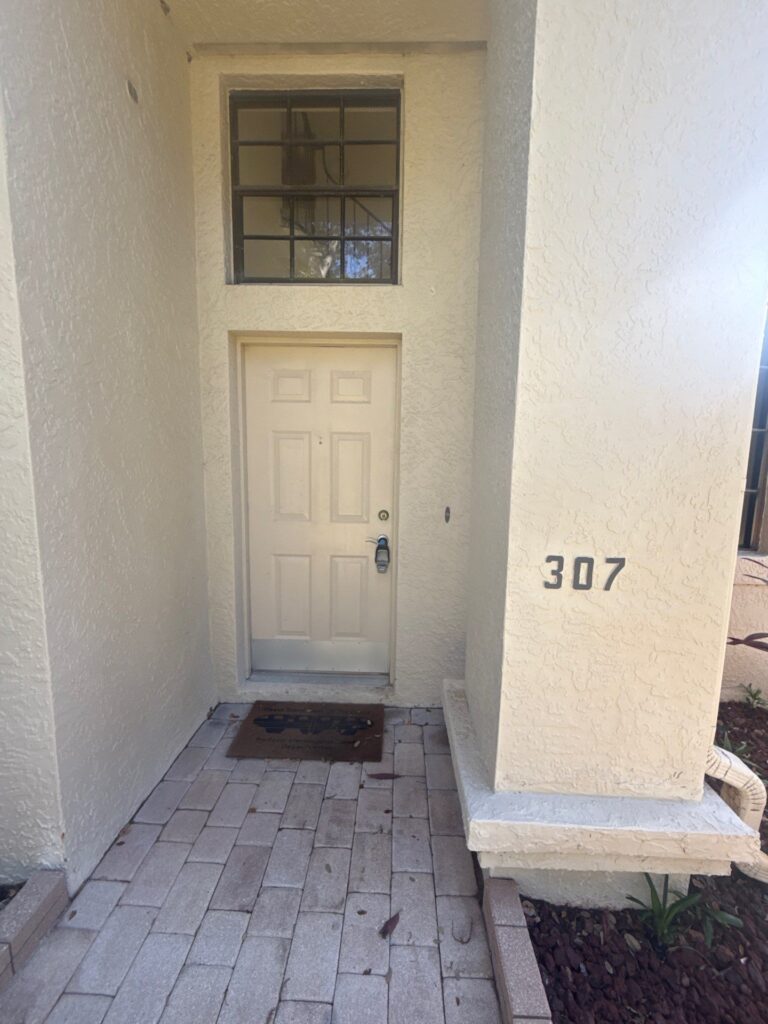
At first glance, many doors look equally strong. The real strength, however, lies in the structure, where storm forces are either controlled or allowed to cause damage. Impact-rated doors are engineered with internal reinforcements that change how the entire system responds under stress.
Engineered Cores Control Structural Movement
High-performance doors often feature reinforced cores made from steel, composite materials, or layered fiberglass. These cores reduce flexing by stabilizing the door across its full height and width. Less movement means fewer weak points forming along edges and hardware cutouts.
Force Distribution Prevents Localized Failure
When wind pressure acts on a standard door, stress concentrates in small areas, leading to cracks or fractures. Reinforced interiors spread that force evenly across the entire panel. This distribution helps prevent splitting, warping, or sudden breakage under sustained pressure.
Shear Resistance Protects Hardware Integrity
Storm forces create twisting motion that strains locks and attachment points. Internal reinforcement adds rigidity that limits this torsion before it compromises the hardware. Keeping the door stable under rotational stress protects the overall entry system during extreme conditions.
A door built with internal reinforcement does more than stand firm, it actively manages the forces trying to tear it apart.
Secure Your Home With the Help of Impact Doors in Safety Harbor, FL
Your front door is not just an entry point, it is a structural defense line that protects your roof, walls, and everything inside. Choosing impact doors from Mitchell Windows and Doors means you strengthen the one spot storms target first. When the next storm hits, the right door can be the reason your home stays intact.
Frequently Asked Questions
What happens if my front door fails during a hurricane?
If your front door gives out, wind and pressure can rush inside and cause your roof or walls to collapse. It’s one of the fastest ways a storm can turn serious damage into total destruction.
Can wind really pull a door off its hinges?
Yes, strong wind can rip out hinges if the screws or frame aren’t reinforced. Most standard doors aren’t built to handle that kind of force.
Why do some doors fall apart even if they’re locked?
Locks only keep people out, not hurricane winds or debris impacts. Without a reinforced frame and multi-point lock system, a door can still cave in or twist loose.
Are decorative front doors safe in a storm?
Many decorative doors are built for looks, not strength, and use materials that can warp, crack, or delaminate under pressure. They often hide weak cores or unprotected glass that shatters on impact.
How can I tell if my door is impact-rated?
Look for a certification label from approved testing agencies, such as Miami-Dade or the Florida Building Code. If there’s no visible rating, it’s probably not built for storm protection.