
What to Consider Before Choosing an Impact Door for Your Florida Home
Approvals, ratings, glass, hardware, and installation all belong to the same decision.
Choosing the right storm door takes more thought than picking a style and signing off on the install. Impact doors in Pinellas County, FL, need to match your home, your opening, and the kind of weather Florida can throw at them. A good choice starts with knowing what really matters before you buy.
Door ratings, materials, hardware, glass, and installation all play a part in long-term performance. Mitchell Windows and Doors can help you sort through those choices without making the process harder than it needs to be. Their team can also ensure the door fits your home and works as it should once installed.
A little homework up front can save you from choosing the wrong setup.
Here are the things to check before choosing an impact door for your Florida home.
Key Takeaways
- The right impact door starts with matching the product to your home, not just picking a style.
- Glass, locks, hinges, frames, and ratings all affect how well the door can handle storm conditions.
- A good installation matters just as much as the door because every part needs to work together.
Match the Approval to the Exact Door
An approval only matters when it covers the same door system going into your home. Small changes in parts or setup can mean the tested approval no longer applies.
Check the Tested Size Range
Impact testing usually covers doors within certain size limits. A larger or differently shaped opening may need another approved setup. Confirm that your planned door dimensions fall within the listed range before ordering.
Review the Required Installation Method
Approval documents can list how the door must attach to the wall around it. They may call for certain anchor types, spacing, and mounting locations. Changing those details can affect how the system handles storm pressure.
Watch for Unapproved Part Swaps
Replacing one listed part with another may change how the whole door performs. Different hinges, locks, glass packages, or frame parts may not be covered under the same approval. Make sure every major component matches the approved system before installation begins.
Opening Configuration Match
Choose the opening that best matches your entry to see which approval details deserve a closer look.
Select an opening above and the approval details worth reviewing will appear here.
Approval Details to Check
The exact product approval and installation requirements still need to match the complete door system being installed.
View all four openings as a list
- Single door: tested width and height range; exact door model or system; frame components; required anchors and installation method; glass package if the door contains glass.
- Double door: tested overall opening size; whether the approval covers a paired-door configuration; meeting-stile or center connection components; locks and hardware included in the tested system; frame and anchoring requirements.
- Tall opening: maximum tested height; whether the selected door falls inside the approved size range; frame requirements; hinge and fastener requirements; pressure ratings for the tested configuration.
- Wider entry: maximum tested width; whether sidelights or connected glass are part of the approved system; frame and connection details; anchoring requirements; pressure ratings for the complete opening.
Next step: Ask to see the approval paperwork for the complete door system, not just the slab.
Check Both Pressure Ratings
Storm pressure can push a door inward and pull it outward with serious force. Positive and negative ratings show how much of each type of pressure the door was tested to handle. Impact doors in Pinellas County, FL should meet the pressure needs for your specific property.
Choosing a model based on one rating can leave part of the job unchecked. Wind direction, home location, and door placement can all affect the pressure the opening may face. Reviewing both ratings helps you choose a door built for the forces that can hit it during a storm.
Know Your Wind Exposure
Where your house sits can change how much force a storm sends at the entry door. Nearby water, empty lots, and wide-open spaces can leave the property with less shelter from hard gusts. Buildings, trees, and other barriers may reduce some of that direct exposure.
Local conditions should play a big role in choosing the right impact door. Door ratings that fit one street may fall short for a more exposed property nearby. Mitchell Windows and Doors can help match the door setup to the wind forces around your home.
Measure More Than the Door Slab
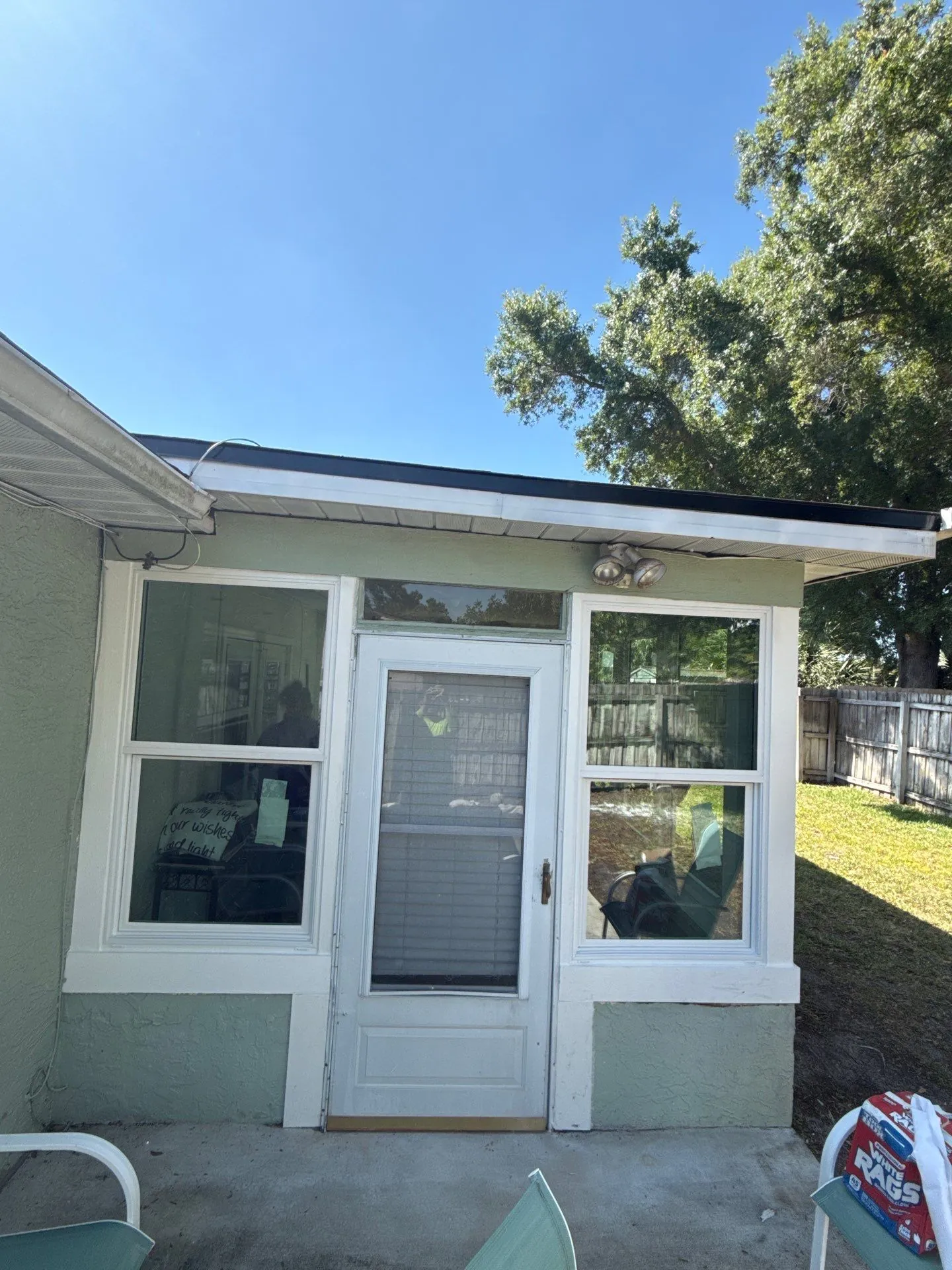
The old door size only tells part of the story. A proper fit also depends on the rough opening, wall material, and condition of the frame. Missing those details early can lead to delays, extra work, or a door that cannot be anchored the right way.
Wall thickness and opening shape can also affect which impact door system will fit. Hidden damage around the frame may need repair before the new unit goes in. Checking the full opening first helps the installation move forward with fewer surprises.
Study the Glass Construction
Decorative glass can look great, but storm performance depends on what is built inside the panel. Laminated layers help keep broken glass held together after a hard strike. The full glass setup should match the tested door system you plan to install.
The details inside the glass can affect how the door performs during severe weather:
- Interlayer Strength: The clear layer between glass sheets helps hold broken pieces in place after impact. Its material and thickness can affect how well the opening stays covered.
- Glass Placement: Decorative panes, laminated layers, and protective glass must sit in the tested order. Changing that layout can change how the panel reacts when debris hits.
- Edge Support: The frame around the glass helps keep the panel seated during impact and wind pressure. Poor support near the edges can put extra strain on the laminated section.
- Tested Configuration: Glass should be reviewed as part of the full door system, not as a separate feature. A different glass package may have different test results even when the door style looks the same.
Looking past the design helps you choose glass that adds style without giving up the storm protection the door is meant to provide.
Impact Window Layer Animation
Watch the glass assembly separate to see the layers working inside the system.
- Outer glass: Forms part of the exterior glass assembly.
- Laminated layer: Helps the glazing remain together after impact.
- Interlayer: Sits between glass layers and helps hold broken material together.
- Glass layer: An additional pane shown here so the stack is easy to follow.
- Edge support: Helps keep the glass assembly seated within the surrounding system.
Next step: Review the glass package as part of the tested door system rather than as a separate choice.
Look at the Hinge Attachment
Heavy impact doors can put major stress on the hinge side when storm winds hit. Bigger hinges alone do not guarantee the door will stay secured. Screws, frame strength, and the wall connection all need enough support to handle the load.
Good reinforcement helps spread force across the full hinge area instead of one small spot. Weak attachment can let the door shift, twist, or pull away from the frame under pressure. Asking how that side is built can reveal whether the full system is ready for severe weather.
Need Help Choosing the Right Impact Doors in Pinellas County, FL?
A good impact door should fit your home, your opening, and the way Florida weather really behaves. Mitchell Windows and Doors can help you choose and install a system that brings the glass, frame, hardware, and ratings together the right way. Making the right choice now can give you one less weak spot to worry about when the next storm rolls in.
Impact doors in Pinellas County, FL
Talk with Mitchell Windows and Doors about the right impact door system for your opening.
Frequently Asked Questions
Start with the door rating, opening size, frame, glass, hardware, and installation needs. Looking at the full system can help you avoid choosing a door that only looks like a good fit.
Yes, larger openings can place more stress on the frame, fasteners, and surrounding structure. The door should match the size of the opening and the wind loads expected at the property.
Locks help keep the door secured while wind pushes and pulls against the opening. A multi-point locking system can spread that force across several areas instead of relying on one latch.
Yes, nearby sidelights and transoms can create weak spots if they do not offer similar storm protection. Treat the door and connected glass as one opening when planning the upgrade.
The door must be installed using the approved anchors, spacing, and methods for that product. Poor installation can keep a rated door from performing the way the manufacturer intended.