
HVHZ-Tested Impact Doors vs. Basic Storm Doors: What Does the Testing Difference Really Mean?
Frames, glass, hardware, seals, and thresholds all belong to the same entry system.
A storm can put every part of an exterior entry under serious pressure. Impact doors in Largo, FL, can provide homeowners with a stronger way to protect one of the largest openings in the house. Mitchell Windows and Doors can install impact-rated doors made for the demands of coastal weather.
Different parts of an impact door work together when wind, rain, and debris arrive. Testing helps show how well the full entry system can hold up under severe conditions. Basic storm doors are built for a different job and may not offer the same level of protection.
Knowing what separates these options can help homeowners make a more informed choice.
Read on to see what HVHZ testing can reveal about the protection an impact door provides.
Key Takeaways
- HVHZ testing shows how impact doors handle harsh hurricane conditions.
- Frames, glass, hardware, and seals all affect storm protection.
- Impact doors can add storm strength, security, and noise control.
The Test Goes Beyond a Hard Hit
HVHZ testing examines what happens after the first impact, when storm forces continue to push against the entry. The goal is to see whether the door system can keep doing its job through harsh conditions.
Pressure Keeps Changing
Hurricane winds do not press against a door with the same force every second. Testing can expose the assembly to repeated pressure changes after impact. This helps show whether damage gets worse as the storm continues.
Anchors Have to Stay Secure
The way a door connects to the building matters during severe wind. Approved systems are tested with specific anchors and fasteners that help hold the assembly in place. A tough door panel means little if its connection points cannot handle the load.
Water Resistance Faces a Closer Look
Heavy rain can push against an entry while wind creates pressure around the opening. Door testing can include checks for water resistance under those conditions. That gives homeowners a better idea of how the full system may handle more than flying debris.
The Frame Has to Hold Its Ground
Storm pressure can turn a weak frame into the failure point of an otherwise solid entry. Impact doors in Largo, FL, use reinforced frames that help keep the opening stable when hurricane winds push and pull against it. Secure framing also helps the door stay aligned rather than twisting under heavy loads.
Strong connections between the frame and the wall matter just as much as the door slab itself. Poor support around the opening can let the entire system shift when wind pressure rises. A well-built impact entry spreads that force across the entire assembly rather than leaving one part to handle it alone.
Frame Load Distribution Animation
Watch how storm pressure can move through the door, frame, and surrounding connections.
- Wind pressure reaches the door
- The force contacts the door slab
- Load moves into the reinforced frame
- Load spreads to several connection points
- Wall connections support the assembly
Secure frame-to-wall connections help the system stay aligned under changing loads. This illustration is a simplified educational drawing, not a set of engineering values.
Read the load path as a text description
- Entry at rest: an exterior impact-door assembly is shown from the front. The door slab sits normally inside a reinforced frame, with hinges along one side, a lock and handle on the other, and the frame set into the surrounding wall structure.
- Wind reaches the door: arrows labelled wind pressure travel from the left toward the outside face of the door.
- Pressure transfers into the frame: the force contacts the door slab, and load arrows carry it outward from the slab into the reinforced frame on both sides and at the head.
- The frame distributes the load toward several wall connection points: dashed load arrows continue from the frame out to eight marked connection points around the jambs and head, and a dashed outline shows the surrounding wall connections taking part in supporting the assembly.
The frame helps spread storm pressure through the full entry assembly instead of leaving the door slab to handle the force alone.
Next step: Think of the door slab, frame, anchors, and wall connections as one entry system rather than as separate parts.
Glass Cannot Be an Afterthought
Decorative glass can be a weak point if it is not built to withstand severe weather. Impact-rated doorglass is made to stay in place when flying debris strikes the entry. Homeowners can still enjoy natural light without giving up the protection they expect during a storm.
Choosing the right glass matters just as much as picking the door itself. Mitchell Windows and Doors can help match the glass with the rest of the impact-rated entry system. A properly designed setup gives the entire doorway a better chance of holding together when bad weather hits.
What Makes an Impact Door HVHZ Rated?
An impact door earns an HVHZ rating by passing tests built around severe hurricane conditions. These tests assess how the full entry handles flying debris and high wind loads. Results give homeowners a real performance standard rather than a broad claim like "storm-ready."
Testing also checks whether the door continues to protect the opening after it takes a hit. Frames, glass, hardware, and other parts all have to work together under stress. That level of review makes the rating more useful than simply choosing a door that looks thick or tough.
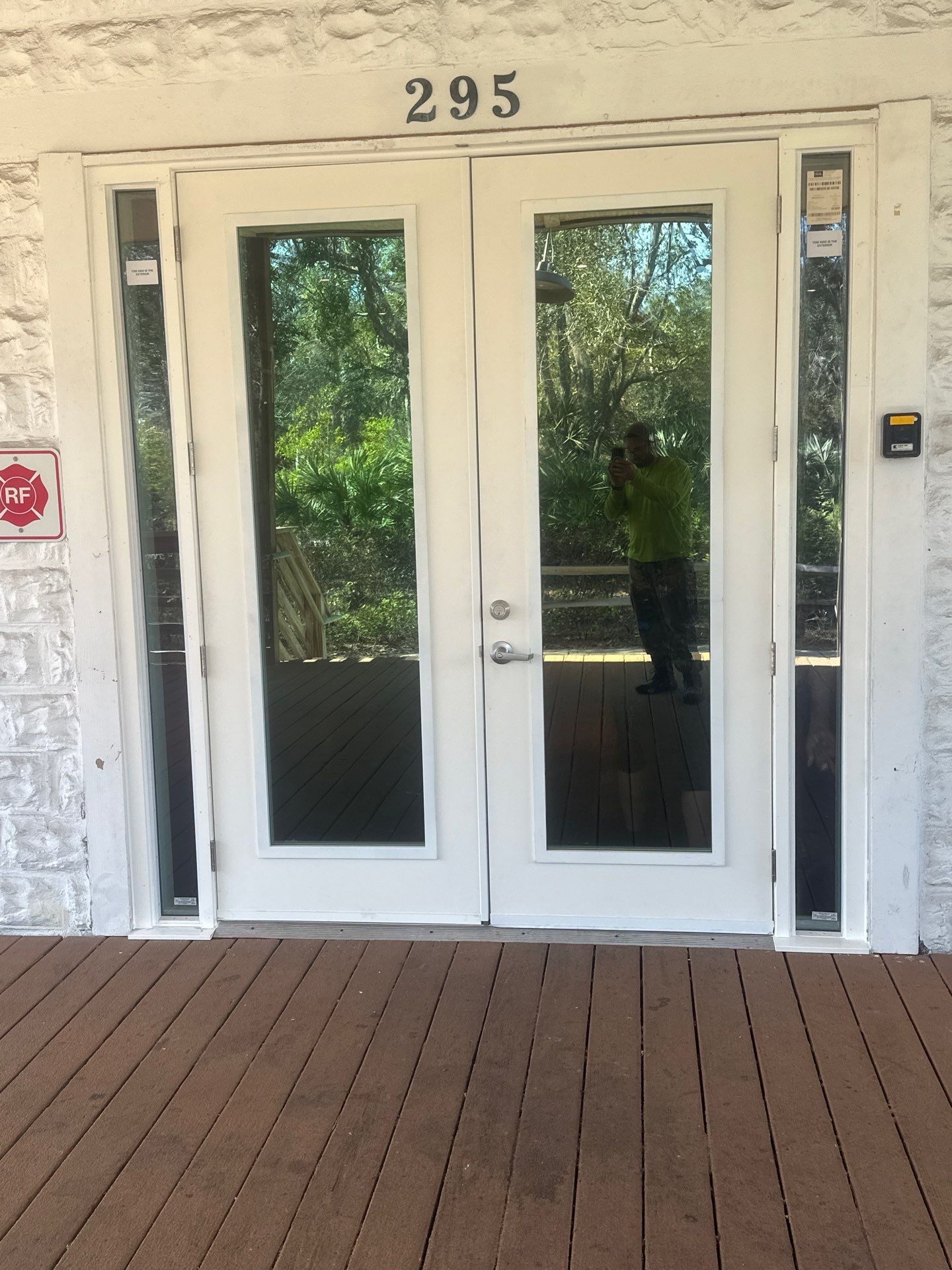
Hardware Becomes Part of the Defense
Locks, hinges, and other small parts carry more responsibility during a storm than they may seem to. Each piece helps the door stay closed and lined up while wind pushes against the entry. Weak hardware can place extra strain on the rest of the opening.
The hardware matters in several important ways:
- Locks help resist forced movement: A secure locking system helps keep the door from shifting when pressure builds outside. Loose or worn parts can give the slab more room to move inside the frame.
- Hinges carry storm stress: they must support the door's weight while also handling sudden pressure changes. Poorly matched hinges can make the entry less stable when conditions get rough.
- Fasteners hold key parts in place: Screws and other fasteners connect the hardware to the door and frame. Proper attachment helps prevent parts from pulling loose when the assembly is under strain.
- Alignment affects how everything works: Hardware performs best when the door sits correctly inside the frame. A door that sags or shifts can prevent locks and latches from engaging properly.
Small hardware pieces can make a big difference in how well the entire entry stays secured during severe weather.
Seals Face Wind-Driven Weather
Hurricane rain can hit an entry from angles that normal showers rarely reach. Weather seals help close the small gaps around the moving door where water may try to get inside. Thresholds also help control moisture near the bottom of the opening when rain is pushed hard against it.
Tight contact around these areas can make a big difference during severe weather. Worn seals may let water work past the edge even when the door itself stays secure. Good sealing helps the entire entry handle wind-driven rain without leaving easy paths into the home.
Threshold Water Control Visual
Watch how the seal and threshold can help manage rain pushed against the bottom of the entry.
- Wind-driven rain reaches the exterior side
- Water moves toward the bottom edge of the door
- The weather seal contacts the threshold
- The threshold guides water toward the exterior
- The interior side stays outside the water path
That lower connection is part of the entry's overall weather barrier. This is a simplified educational drawing of one water path, not a statement about how any particular door will perform.
Read the water path as a text description
- Door closed: a side cutaway shows the bottom of an exterior impact door. The exterior side is on the left, the interior floor is on the right, and the door slab sits closed above a weather seal and a threshold that slopes down toward the exterior.
- Rain reaches the exterior side of the threshold: angled droplets and arrows show wind-driven rain arriving on the exterior side of the doorway and running down the outside face of the door slab toward its bottom edge.
- The door seal contacts the threshold: a dashed outline marks where the bottom weather seal meets the top of the threshold.
- The illustrated water path is directed toward the exterior: an arrow follows the sloped top of the threshold back out to the exterior side, and a dashed line separates the interior floor side from that illustrated path.
A tight seal and properly designed threshold help control water where the moving door meets the bottom of the opening.
Next step: Treat the seal and threshold as part of the same weather barrier as the door slab and frame.
Stronger Protection Starts With Impact Doors in Largo, FL
HVHZ-tested impact doors give homeowners more than basic storm coverage. Their full-system design helps protect the opening while adding everyday benefits like security and noise control. Mitchell Windows and Doors can help homeowners choose and install an impact door built for demanding coastal conditions.
Impact doors in Largo, FL
Talk with Mitchell Windows and Doors about an impact-rated entry for your home.
Frequently Asked Questions
Impact doors go through tests that measure how they handle strong wind pressure and flying debris. These tests help show whether the full door system can stay secure during severe weather.
The frame helps keep the door anchored when strong winds push against the opening. A weak frame can reduce the protection offered by an otherwise durable door.
Yes, impact-rated decorative glass can add style without giving up storm protection. The glass must be designed as part of the complete impact-rated entry system.
Weather seals and thresholds help close gaps where rain could enter around the door. These parts work with the frame and door panel to create a tighter entry system.
Yes, impact doors can also improve security, reduce outside noise, and support better energy performance. Those everyday benefits give homeowners value long after storm season ends.