
How Old Windows Show Their Age Before the Glass Fails
Seals, sashes, locks, caulk, sills, and weatherstripping all age before the glass does.
Old windows can look fine while trouble builds around the edges. Cracked seals, sticking frames, and water marks can show up before the glass ever breaks. Small warning signs like these can tell you the window is starting to wear out.
Repeated repairs can hide a bigger problem for a while. A trusted window company in Tarpon Springs, FL can help you decide when replacement makes more sense than another patch. Mitchell Windows and Doors can replace worn windows before leaks and frame problems cause more trouble.
Your glass does not have to crack for an old window to reach the end of its useful life.
These signs can help you spot the difference between a small repair and a window that is ready for replacement.
Key Takeaways
- Old windows can start failing around the frame long before the glass breaks.
- Sticking, drafts, moisture, and worn seals can all point to deeper window wear.
- Repeated repairs may be a sign that replacement makes more sense.
Seals Keep Breaking Loose
Fresh caulk should not keep failing in the same spot. If gaps keep coming back, the window may be dealing with age-related movement that a surface repair cannot fix.
Moisture Can Start Reaching the Frame
Small seal gaps can let rainwater reach areas that should stay dry. Over time, that moisture can stain trim, soften nearby materials, or leave a musty smell. Those signs can point to damage building around the window opening.
Air Leaks Can Become Easier to Feel
A worn seal can let outside air slip around the edges of the window. Rooms may feel hotter, colder, or less comfortable near the opening even when the glass looks fine. That change can be another sign the window is no longer closing off the wall the way it should.
Water Behind the Seal Cutaway
See how a small opening in the exterior seal can give rain a path beyond the visible surface.
- 1The cutaway sits at rest, with the exterior, seal, trim, frame, wall materials, and interior all in place.
- 2The exterior seal around the window is identified.
- 3A small gap in that seal is marked.
- 4Rain reaches the outside edge of the wall.
- 5Arrows show moisture moving through the gap.
- 6The path continues in toward the window frame.
- 7The path continues down beside the frame, toward trim and nearby wall material.
- 8The areas that are meant to stay dry are labeled.
The cutaway at restExterior, seal, trim, window frame, nearby wall materials, and interior are all shown in order.
Read this cutaway as text
- How to read the cutaway: wall thickness runs left to right, exterior on the left and interior on the right. Height runs top to bottom, with wall material above the opening, the window frame and glass in the middle, and wall material below the opening.
- The exterior seal: a bead runs down the outside face of the wall where the cladding meets the window.
- Marker 1, seal gap: a small opening interrupts that bead just above the window.
- Marker 2, toward the frame: arrows run from outside, through the gap, and in toward the head of the window frame.
- Marker 3, toward trim and wall material: the path continues down beside the frame and into the material below the opening.
- Dashed outlines: the wall material below the opening and the interior finish are the areas meant to stay dry.
A small seal gap can give rainwater a path toward the frame, trim, and nearby materials that are meant to stay dry. The cutaway is a simplified example and does not diagnose the condition of a specific window.
Why it matters: water that gets past the surface does not have to show up on the glass to reach materials that were meant to stay dry.
Does a Hard-to-Open Window Need Replacing?
A window that suddenly needs extra force can be telling you the frame is wearing down. Age can change the shape of the frame enough to make the sash rub or drag. That friction can keep getting worse as the window continues to shift.
Replacement may make sense if adjustments stop fixing the problem. Bent tracks, worn hardware, or a frame that no longer sits square can all make normal use harder. Checking the full window can help you avoid treating a bigger issue like a simple sticking problem.
Locks Stop Meeting Cleanly
A lock that no longer lines up can be an early sign that the window has shifted. Mitchell Windows and Doors can check whether the sash, frame, or hardware is causing the poor fit. Small alignment changes can make the lock feel stiff long before the glass shows any damage.
Loose contact at the lock can also keep the window from closing as tightly as it should. A window company in Tarpon Springs, FL can look for warped parts, worn tracks, or other issues that keep the sash from sitting square. Catching that change early can help you decide if a repair still makes sense or if the window is nearing replacement.
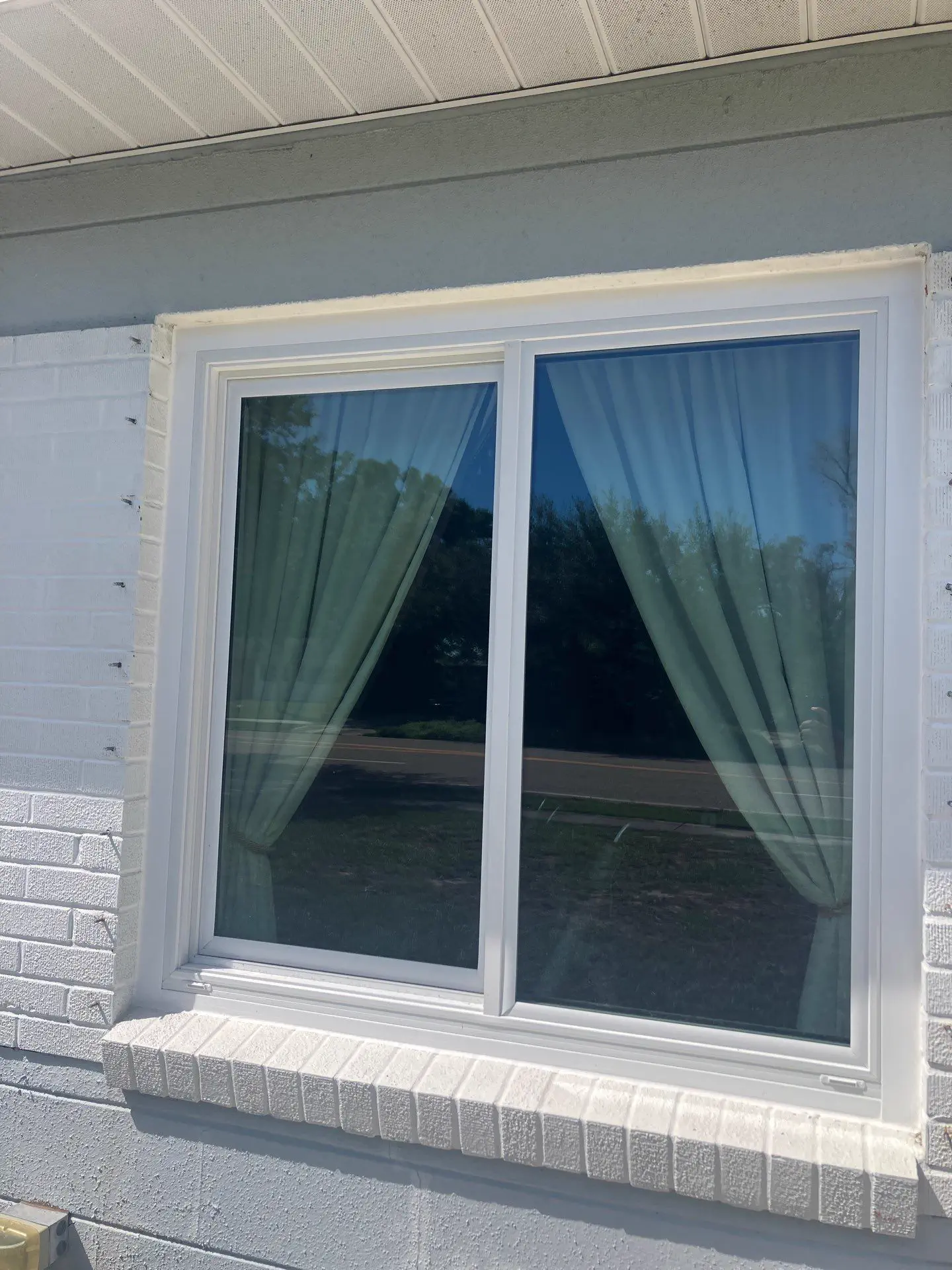
Outside Caulk Pulls Away First
Exterior caulk can start breaking down before the window itself looks worn. Sun and rain can dry it out, shrink it, or pull it away from the frame. Those small gaps can give water a way into places that should stay sealed.
Early damage may show up as peeling edges, thin cracks, or missing sections around the outside trim. Water can then creep behind the frame without leaving an obvious mark indoors right away. Checking the outer seal can reveal aging that the glass alone will never show.
Sills Start Telling the Story
A worn sill can reveal trouble before the glass gives you any warning. Moisture often leaves clues in the wood, finish, or trim around the bottom of the opening. Those signs can help show if water has been reaching the same area again and again.
The sill can reveal several clues that deserve a closer look:
- Paint Starts Bubbling: Trapped moisture can push paint away from the surface and leave raised spots or flakes. That change may mean water has been sitting under the finish instead of drying quickly.
- Wood Feels Soft: Healthy wood should feel firm when pressed. A soft or spongy area can suggest the sill has absorbed enough moisture to weaken the material.
- Edges Begin Swelling: Repeated dampness can cause parts of the sill to grow uneven or lose their original shape. That movement can create more gaps around the window and make future water entry easier.
- Dark Marks Keep Returning: Stains that come back after cleaning may point to a moisture source that has not been fixed. The pattern can help show where water is reaching the opening and how often it happens.
A sill that keeps changing can be a better warning sign than the glass itself.
Drafts Show Up in One Spot
Cold or warm air slipping in along one edge can point to a weak part of the window. Mitchell Windows and Doors can check the sash, weatherstripping, and frame to see where the seal has stopped working. A small draft can reveal a bigger fit problem before the window becomes hard to use.
Homeowners may notice the leak most on windy days or near one corner of the frame. A window company in Tarpon Springs, FL can inspect that uneven airflow and see if the problem is limited or spreading. Finding the source early can make it easier to decide if a repair will hold or if replacement makes more sense.
Seal Contact Visual
Compare even sash contact with an uneven seal and see where air can find a path through.
- 1Both sashes sit open above the weatherstripping.
- 2The Good Seal example closes.
- 3A continuous contact line appears along the whole seal.
- 4The Uneven Seal example closes.
- 5One part of the sash makes contact while another area does not.
- 6Arrows show a conceptual air path through the uneven area, and both examples stay side by side.
Before closingBoth sashes sit open above the weatherstripping, ready to close.
- Weatherstripping. The strip the sash closes against, shown along the bottom of each panel.
- Solid line with tick marks (A). Even contact along the whole seal.
- Dashed wedge with arrows (B). An uneven contact area and the conceptual air path through it.
Read this comparison as text
- Panel A, Good Seal: the sash closes and meets the weatherstripping along its full length. A continuous bar with regular tick marks runs the whole width, labeled Solid Contact.
- Panel B, Uneven Seal: the underside of the sash rises toward one end. It meets the weatherstripping along roughly the first half of the run, labeled Solid Contact, and the rest leaves a shaded wedge-shaped opening marked across its full width. The bar under that stretch is broken and dashed, labeled Uneven contact area.
- Air Path: two arrows point in from the exterior side through that wedge-shaped opening.
Even contact helps the sash close against the weatherstripping, while an uneven area can leave a path where air may pass. This visual is a simplified comparison and does not diagnose the condition of a specific window.
Why it matters: a draft you feel in one spot lines up with how much of the sash is actually meeting the weatherstripping.
Contact Our Window Company in Tarpon Springs, FL
Old windows can give plenty of warning before the glass ever fails. Mitchell Windows and Doors can replace worn windows when drafts, moisture, frame movement, and repeat repairs start adding up. Acting before the damage spreads can save homeowners from chasing the same problems again and again.
Talk About Your Older Windows
Tell us what you are seeing around the frames and a local Mitchell Windows and Doors team member will follow up.
Frequently Asked Questions
A worn frame may warp, shift, or stop lining up with the sash. Cracked seals and uneven gaps can also point to deeper wear.
Yes, water can enter around worn seals, joints, or frame edges. The glass may look perfect while moisture moves into the wall nearby.
Repeated cracking can happen when an older frame keeps moving or changing shape. Fresh caulk may not last if the window itself has started to wear out.
Drafts often come through weak seals or small gaps around the sash and frame. Those air leaks can show that the window no longer closes as tightly as it once did.
Replacement may make more sense when the same leaks, seal problems, or frame issues keep coming back. Constant patching can signal that the whole window is nearing the end of its useful life.