
What Locally Made Impact Windows Mean for Florida Homeowners
Shipping distance, order coordination, and storm-season timing all shape how a window project moves.
New windows can do more than change how a home looks. Local production can also affect how fast the project moves. Homeowners shopping for impact windows in Pinellas County, FL, may have a shorter path from order to delivery.
Florida-made products do not have to travel as far. That can cut down on shipping steps and long waits. Mitchell Windows and Doors can install new impact windows and help keep the project moving.
Local supply can make planning feel much easier.
The details below show what that can mean for Florida homeowners.
Key Takeaways
- Local production can help new impact windows arrive sooner.
- A closer supply source can make project timing easier to plan.
- Local manufacturing can make the replacement process feel more direct.
Fewer Miles Between Factory and Home
Local manufacturing can give a window order a much simpler trip. Fewer shipping handoffs mean there are fewer chances for delays along the way. That can help keep the project on a steadier schedule.
Large impact windows can be harder to move than standard products. A shorter delivery route can make it easier for installers to plan around arrival dates. Homeowners may spend less time waiting for materials before the real work can begin.
A Shorter Wait Before Installation
Waiting for the right windows can hold up the entire project. Homeowners choosing impact windows in Pinellas County, FL, may benefit when the products come from a Florida factory. Closer production can help reduce the time between placing the order and getting ready for installation.
Mitchell Windows and Doors can schedule the next steps once the correct windows are available. Better access to nearby products can also make project timing easier to manage. A shorter wait can help the replacement move forward with fewer delays.
Factory-to-Home Journey Visual
See how a shorter local supply path can make the trip from production to installation feel more direct.
- 1The three stops sit at rest: Florida Factory, Installer, and Home.
- 2Florida Factory is marked as the starting point.
- 3A labeled route leaves the factory.
- 4The route reaches Installer, and Installer is highlighted.
- 5The route continues toward Home.
- 6Home is highlighted.
- 7The complete factory to installer to home path appears together.
- 8A conceptual note compares the shorter local path with a longer multi-transfer path.
Three stops at restFlorida Factory, Installer, and Home are shown in order from left to right.
- Outlined box. A stop on the conceptual route. Each one carries its own name.
- Green outline and numbered arrow. The stop the route has reached, and the direction of travel.
- Chevron rows. A shorter local path next to a longer multi-transfer path, shown as a shape comparison rather than a number.
Read this route as text
- Florida Factory is the first stop, drawn at the left.
- Arrow 1 runs from the factory to Installer, the second stop.
- Arrow 2 runs from the installer to Home, the third stop.
- Below the route, a short row of chevrons is labeled Shorter local path and a longer row is labeled Longer multi-transfer path. The chevrons compare path length only. They are not a count of real shipping steps.
A closer production source can reduce the distance and number of shipping steps standing between an order and installation. This visual is a simplified example and does not represent the exact route or delivery time for every window order.
Why it matters: every extra handoff between production and the job site is another place the schedule can slip.
Large Orders Become Easier to Coordinate
Whole-home projects can get complicated when each opening needs a different window size or style. Every unit has to arrive before the crew can keep the job moving in the right order. Local manufacturing can make it easier to keep a large order together instead of depending on several long-distance shipments.
Project planning also gets simpler when fewer delivery points are involved. Installers can spend less time working around missing units or split arrivals. That smoother flow can help the replacement stay organized from the first opening to the last.
Storm Season Changes the Clock
A long window project can feel more urgent once hurricane season starts getting close. Homeowners choosing impact windows in Pinellas County, FL, may want to allow enough time to complete the work before storm threats begin to shape daily plans.
Earlier Completion Leaves Room for Final Checks
Finishing ahead of severe weather gives homeowners time to review the new windows without added pressure. Installers can check operation, seals, locks, and other details before storms become a concern. That extra breathing room can make the final stage of the project feel much more controlled.
Storm Demand Can Change Scheduling Fast
Demand for home protection can rise when a major storm becomes part of the forecast. Installation calendars may fill faster as more homeowners start looking for upgrades at the same time. Starting earlier can help keep the project from competing with a sudden rush of last-minute work.
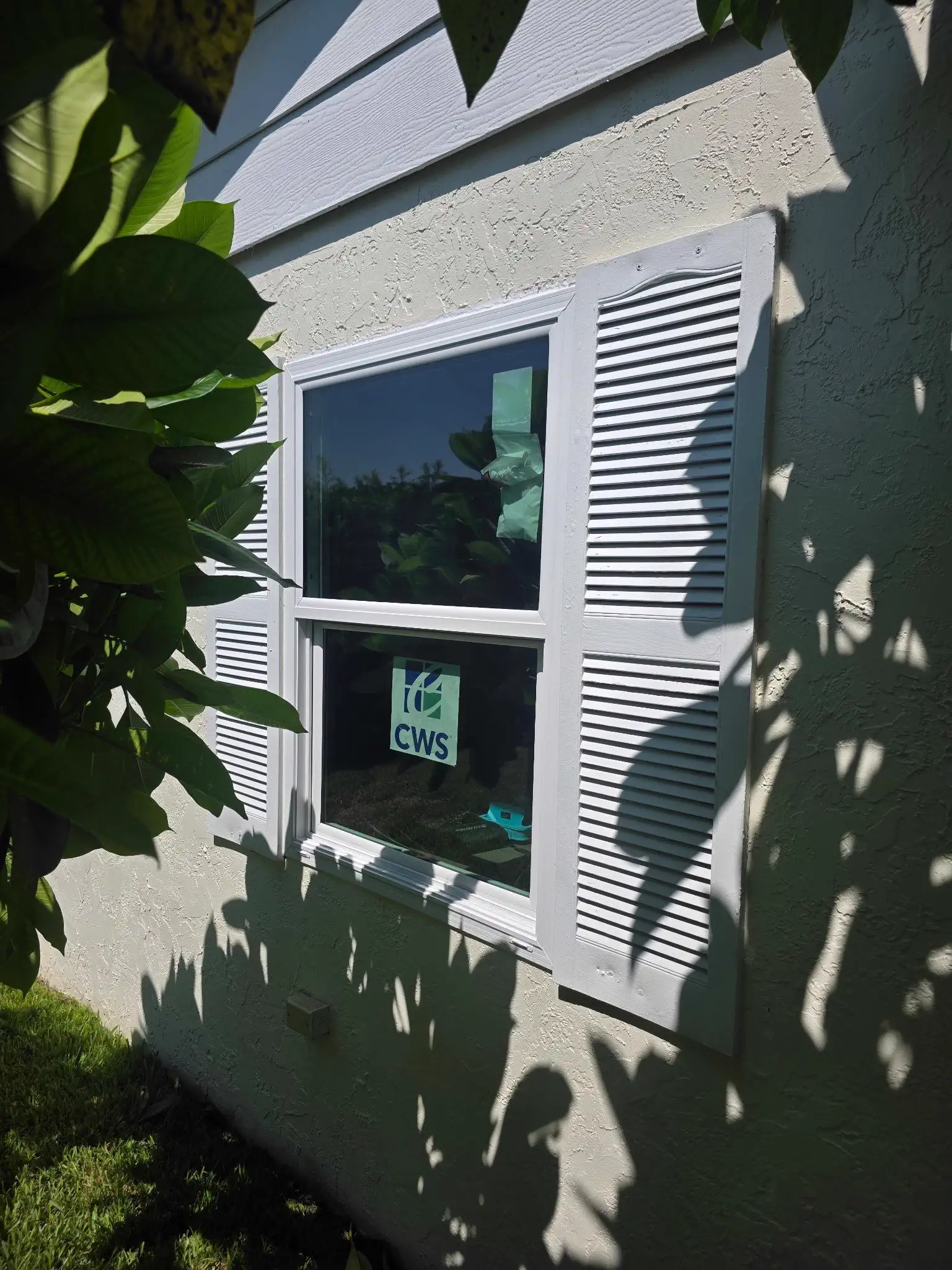
What Causes Impact Window Installation Delays?
Impact window projects can stall long before a crew reaches the house. Backordered products, factory schedules, and shipping problems can all push the start date back. A nearby supply source can remove some of that uncertainty before installation day.
Local production can also make replacement units easier to get when an order needs attention. Shorter supply lines may help keep missing or delayed windows from holding up the entire project. That can make the schedule easier for both the homeowner and the installer to manage.
Shipping Has Less Ground to Cover
Long-distance shipping adds more places where an order can get slowed down. Freight schedules, transfer points, and road delays can all affect when the windows finally arrive. Local production cuts down the distance those finished units need to travel.
A shorter trip can make delivery timing easier to track. It also reduces the number of shipping steps standing between the factory and the job site. That simpler path can help the project move with fewer transportation headaches.
Project Planning Gets More Predictable
Window replacement affects more than the crew working at the house. Homeowners may need to move furniture, arrange access, protect pets, or plan other projects around the work. Mitchell Windows and Doors can help organize those details once the installation window becomes clearer.
The parts of the schedule that become easier to manage include:
- Home Access: Someone may need to be available while crews work around doors, bedrooms, and living spaces. Better timing gives the household a chance to prepare without changing plans again and again.
- Other Contractors: Painting, stucco repair, or interior work may depend on the windows being finished first. A clearer arrival window makes it easier to put those jobs in the right order.
- Time Away From Home: Some homeowners prefer to leave during louder parts of the installation. People ordering impact windows in Pinellas County, FL, can plan work, school, or errands more easily when the project date feels less uncertain.
- Room Preparation: Curtains, blinds, furniture, and wall items may need to be moved before crews arrive. Extra notice gives homeowners time to clear each work area without scrambling at the last minute.
A more dependable timeline can turn a disruptive home project into something much easier to organize.
Room-by-Room Work Sequence
See how a multi-window project can move through the home one area at a time.
- 1The full house plan sits at rest, with every zone marked Upcoming.
- 2Living Area becomes the Current Area and its window is highlighted.
- 3Living Area is marked Completed and Bedroom becomes the Current Area.
- 4Bedroom is marked Completed and Kitchen or Dining Area becomes the Current Area.
- 5Kitchen or Dining Area is marked Completed and Additional Room becomes the Current Area.
- 6All four zones read Completed, and the phased preparation note appears.
Every zone waitingAll four illustrated zones are marked Upcoming before any work starts.
- Dashed outline, Upcoming. A zone the sequence has not reached.
- Solid green outline, Current Area. The zone being worked, with its window icon highlighted.
- Check mark, Completed. A zone the sequence has already passed.
Read this sequence as text
- The plan has four labeled zones: Living Area, Bedroom, Kitchen or Dining Area, and Additional Room. Each holds a window icon.
- Every zone starts marked Upcoming.
- Current Area moves through the zones one at a time, in the order listed above.
- Each zone the sequence leaves behind is marked Completed with a check mark. Zones ahead stay marked Upcoming.
- At the end, all four read Completed and a note says to prepare the next area rather than every room at once.
A phased work sequence can let homeowners prepare the next room or zone instead of clearing every area at the same time. The actual installation order depends on the home and project. This visual is only a simplified example.
Why it matters: knowing which area is next is the difference between clearing one room and emptying the whole house.
Keep the Project Closer to Home With Impact Windows in Pinellas County, FL
Local manufacturing can help make a window replacement project feel simpler from the start. Mitchell Windows and Doors can install new impact windows with a supply path that stays closer to home. That can mean less waiting, easier planning, and a smoother move toward a finished upgrade.
Discuss Your Window Project
Tell us how many openings you are planning and a local Mitchell Windows and Doors team member will follow up.
Frequently Asked Questions
Local production can make it easier to coordinate several windows for the same job. A shorter supply path may help keep a large replacement project moving.
It can make delivery easier to plan because the products travel a shorter distance. Fewer shipping steps can also reduce some of the uncertainty before installation.
Longer shipping routes create more chances for freight delays and scheduling problems. A nearby factory keeps the path between production and installation more direct.
A closer supply source can make it easier to plan a replacement before storm season gets busy. Homeowners may have fewer long-distance shipping issues standing between the order and installation.
Homeowners should ask where the windows are made and how they reach the local warehouse. Those details can reveal a lot about the supply process and the path to installation.