
How Corner Bedrooms Benefit From a Carefully Planned Impact Window Layout
Corner bedrooms look simple on a floor plan until you decide where everything goes. Choosing impact windows in Pinellas Park, FL, starts with looking at the whole room instead of each opening alone. Mitchell Windows and Doors can help you plan a window layout that works for daily living.
The walls don't share the same sunlight, outdoor views, or level of privacy. A window arrangement that works on one side might feel awkward on the other. Paying attention to those differences helps you make better use of the bedroom.
Good planning also gives you more freedom when arranging your furniture.
Consider these ways to plan impact windows for a corner bedroom.
Key Takeaways
- Corner bedrooms need thoughtful window placement because each exterior wall receives different sunlight and offers different views.
- Planning around furniture and window operation helps keep the bedroom comfortable and easy to use.
- The right mix of impact window styles can improve ventilation, privacy, and storm protection.
Give the Morning Sun Its Own Space
Early sunlight can wake you before your alarm goes off. East-facing windows let those bright rays enter while the rest of the room stays dim. Placing the bed away from that wall can keep direct sunlight off your pillow.
Late sleepers may want smaller windows or a different layout on the eastern side. A larger window on another wall could bring in daylight without shining straight onto the bed. Planning around the sun's path helps keep the bedroom bright during the day without disturbing your morning rest.
Keep Your Favorite Furniture Wall Open
Your bed shouldn't have to compete with a window for wall space. Planning impact windows in Pinellas Park, FL, means leaving enough room for your headboard and bedside tables. A clear wall lets you arrange larger furniture without blocking the glass.
Window placement also affects where you can put dressers and other bedroom pieces. Mitchell Windows and Doors can help plan openings around your preferred furniture layout. This gives you room to move around the bed while keeping windows clear and easy to reach.
The Window Behind the Dresser
Watch the same dresser move between wall sections while the windows stay fixed.
Why Dresser Placement Matters Before Window InstallationA dresser may fit against one wall but interfere with glass or operating hardware on another. Planning window locations around larger furniture helps keep the room easier to arrange while leaving important window areas accessible.
- 1A Corner Bedroom With Fixed Windows
- 2The Dresser Fits Along a Clear Wall
- 3Dresser Width Meets a Window Opening
- 4Dresser Height Covers Part of the Glass
- 5Window Hardware Becomes Harder to Reach
- 6Plan Furniture and Window Space Together
- 7Why Dresser Placement Matters Before Window Installation
Read this visual as text
- Clear wall: a section of wall without a window opening may offer more flexibility for placing larger furniture.
- Width: a wide dresser may compete with the window opening for the same section of wall.
- Height: a tall dresser placed in front of a lower window may block part of the glass and reduce easy access to the opening.
- Hardware: furniture close to an operable window may make its handle, latch, or opening area harder to reach.
- Together: considering furniture placement and window operation together helps make better use of the bedroom's available wall space.
This is a conceptual furniture-layout illustration. Actual furniture dimensions, window operation, wall construction, and bedroom escape requirements must be reviewed for each home. These illustrations show general bedroom layout concepts. They cannot measure your room, verify emergency escape requirements, or determine whether a particular window and furniture arrangement is suitable for your home.
Can Impact Windows on Two Walls Improve Airflow?
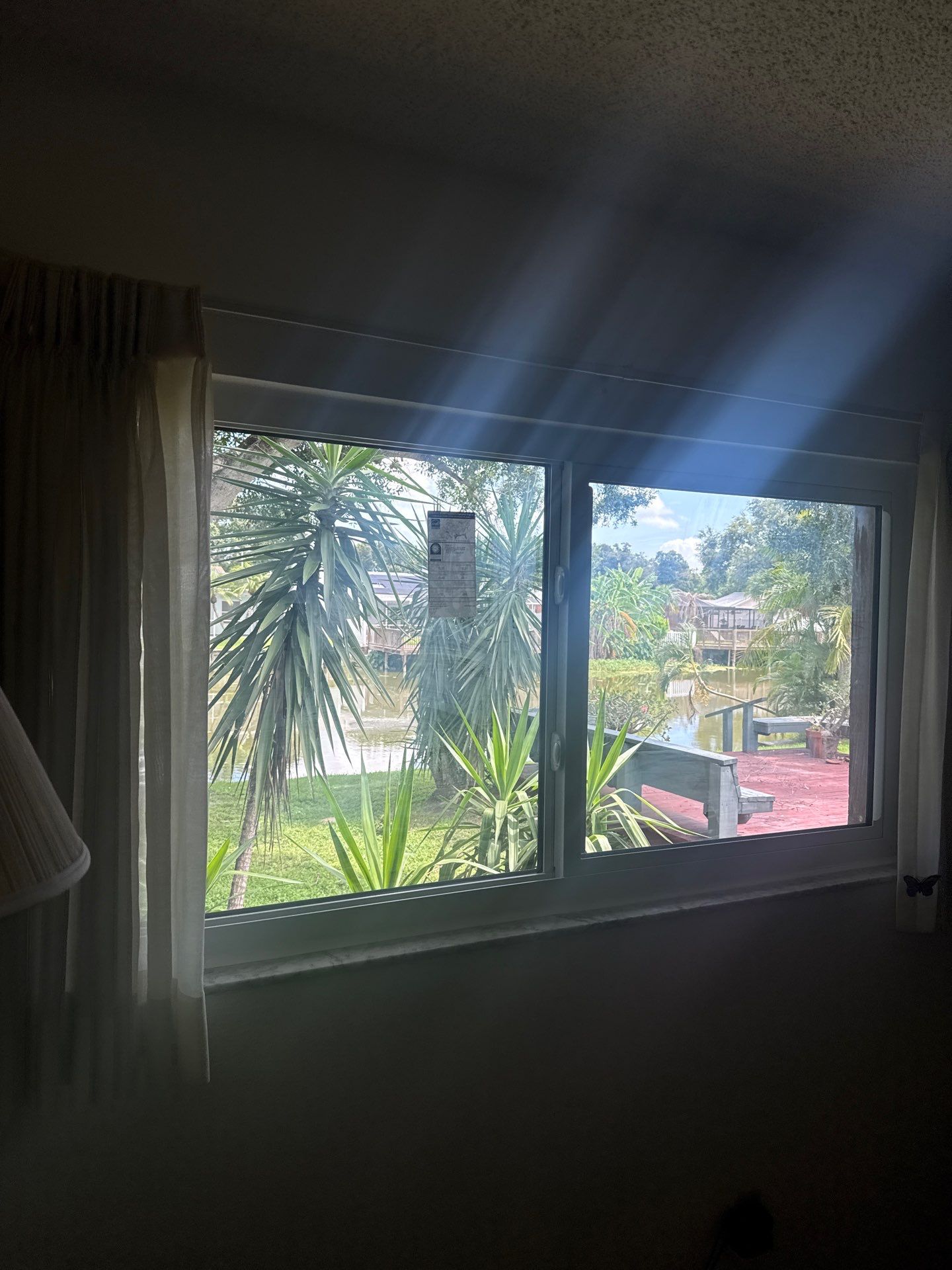
Yes, windows that open on adjoining walls can bring fresh air into a corner bedroom. A breeze may enter through one window and flow out through the other. This movement can make the room feel less stuffy when the weather is mild.
Casement windows swing outward and can catch breezes coming from different directions. Sliding windows offer another option where there isn't enough space for an open sash. Placing these windows within easy reach lets you control airflow without moving furniture.
Give Street-Facing Windows More Privacy
A bedroom window facing the street can leave you feeling exposed, even with the curtains open just a little. Corner rooms need a layout that considers what neighbors and passing cars can see.
Raise the Window Sill for More Privacy
A higher window sill can block direct views into the room from the sidewalk. Sunlight can still enter through the upper part of the glass. Installers must also check that the window meets bedroom escape rules where required.
Choose Glass That Limits Outside Views
Frosted or patterned glass can blur the view into your bedroom during the day and at night. These options work well for windows facing nearby homes or busy walkways. Homeowners should select privacy glass that is part of an approved impact window design.
Consider the View From Each Side
A street-facing window may need more privacy than one overlooking a fenced yard. Placing larger windows toward the private side can give you a pleasant outdoor view. Smaller openings along the street can limit unwanted views into the bedroom.
The Bedroom Privacy Silhouette Study
Watch how an anonymous outline changes behind a fixed frosted window as distance and lighting change.
Why Frosted Glass May Still Show an OutlineFrosted or patterned glass can make it harder to see details inside a bedroom, but a person's silhouette may still be visible. The distance between the person and the window, the glass design, and the lighting on each side all affect the view.
Illustrative comparison only.
- Glass OpacityTexture and opacity vary by glass design.
- Person's DistanceAn outline can change with distance from the glass.
- Indoor LightingA brighter room may make an outline more noticeable.
- Outside Viewing ConditionsDaylight, darkness, and viewing position change the view.
- 1A Frosted Bedroom Window
- 2A Silhouette Near the Glass
- 3The Person Moves Farther Back
- 4Farther Inside the Bedroom
- 5Nighttime Lighting Changes the View
- 6Glass Opacity Affects Silhouette Detail
- 7Privacy Depends on More Than Glass Texture
- 8Why Frosted Glass May Still Show an Outline
Read this visual as text
- Near the glass: an outside observer may still notice a person's general shape, even though facial features and other details are obscured.
- Farther inside: the outline may look softer. The result varies with the glazing and surrounding light.
- At night: indoor lighting may make an outline more noticeable through some privacy glass, especially when the exterior is darker.
- Glass design: clear, frosted, and patterned surfaces obscure an outline in different ways.
This is a conceptual privacy illustration. Real results vary by product, glass configuration, lighting, and viewing conditions. Any privacy glass used in an impact window must be part of an appropriately approved window design.
Stop Window Coverings From Crowding the Corner
Curtains on nearby walls can bunch together and make a bedroom corner look crowded. Long curtain rods may overlap, leaving little room for the fabric to slide open. This can also make it harder to reach the window handles.
Separate shades offer a neat fit without taking up extra wall space. Mitchell Windows and Doors can help plan window sizes that leave room for your preferred coverings. Choosing the layout before installation prevents curtain rods and shades from getting in each other's way.
Let Your Bedroom Layout Guide Your Impact Window Choices
A corner bedroom deserves window placement that works with your furniture and daily habits. Each opening should have a purpose, whether you're enjoying the view or letting fresh air inside. Mitchell Windows and Doors can help you choose and install impact windows that make the room more useful while protecting your home.
Frequently Asked Questions
Matching glass tints can create a consistent appearance across adjoining walls. Different approved glass options may suit each wall's sun exposure, but the exterior appearance should also be considered.
Measure the existing openings and note where your furniture, outlets, and window coverings sit. A qualified installer should take the final measurements and check the wall construction before ordering.
Yes, impact windows can fit bedrooms with sloped ceilings when suitable wall space and approved product sizes are available. The ceiling height may affect where the top of each opening belongs.
Replacing both windows together allows you to coordinate their styles, colors, and installation. Separate replacement projects are also possible when each window meets the required standards.
Consider how branches affect sunlight, views, and access for window cleaning. An installer can help you select suitable window styles while keeping the existing landscaping in mind.
Plan Impact Windows Around the Way You Use Your Bedroom
Window placement affects sunlight, furniture, airflow, privacy, and daily convenience. Mitchell Windows and Doors can discuss your impact window options and help you plan a layout suited to your home.