
The Storm Pressure Problems Impact Windows Help Prevent
Two short visuals below show how pressure can act on a home from inside and outside at the same time.
A hurricane can put pressure on a home long before the damage is easy to see. Impact windows in Pinellas Park, FL can help keep the home sealed when strong winds and flying debris hit. Mitchell Windows and Doors installs impact windows that add another layer of protection during severe storms.
Storm pressure can affect more than windows alone. Changes inside the home can place added stress on the roof, walls, and other parts of the structure. Understanding how impact windows help control those risks can make storm prep easier to plan.
Learn more about the pressure problems that impact windows and how they can help prevent them.
Key Takeaways
- Storm pressure can become a bigger problem when wind finds a way inside the home.
- Impact windows can help reduce the forces that place extra stress on the roof and walls.
- Keeping the home sealed can help stop one broken opening from causing wider structural trouble.
Pressure Surges After Glass Failure
A shattered window can change the way storm pressure moves through a home in seconds. Wind can pour through the opening and push hard against ceilings, walls, and the roof from inside. That sudden rise in pressure can make other parts of the structure work much harder during the storm.
Impact windows installed by Mitchell Windows and Doors help keep the outside barrier intact when flying debris hits. Keeping that opening closed can limit the rush of wind that causes indoor pressure to climb. Better control at the window can help reduce added stress on the rest of the home.
Roof Uplift From Inside
Roof uplift can get worse when storm winds enter the home through a broken opening. Higher pressure indoors can push upward, while fast-moving air over the roof pulls from above. That combination can put extra strain on the parts that hold the roof to the house.
Impact windows in Pinellas Park, FL, can help keep wind from rushing inside through shattered glass. Keeping the home sealed helps reduce the pressure pushing against the roof from below. Less force inside can mean less stress on roof connections during severe weather.
Inside Pressure vs. Outside Suction Visual
Watch how indoor pressure and outside suction can act on the roofline at the same time.
- 1The sealed sample home sits at rest.
- 2The Impact Window stays closed.
- 3Indoor Pressure appears inside the home.
- 4Indoor Pressure arrows point upward toward the roofline.
- 5Fast-moving air passes over the roof.
- 6Outside Suction arrows pull upward from the exterior side.
- 7The Roof Connection Area is marked.
- 8Both force directions stay visible together.
Both forces at the rooflineStorm forces can act from both sides of the roof, with pressure pushing from inside while moving air creates suction outside.
- Dotted area, solid arrows. Indoor Pressure pushing up from inside the home.
- Dashed arrows above the roof. Outside Suction pulling up from the exterior side.
- Dashed circles. The Roof Connection Area, where the roof meets the walls.
Read this visual as text
- A sealed sample home is drawn in cutaway. The Impact Window on the front wall stays closed.
- Indoor Pressure fills the Interior Space, and its arrows point upward toward the ceiling and Roofline.
- Above the roof, fast-moving air passes over, and Outside Suction arrows pull upward from the exterior side.
- Circles mark the Roof Connection Area, where the roof meets the walls.
- Both force directions stay shown together: pressure pushing from inside and suction pulling from outside, acting on the roofline at the same time.
This is a simplified comparison and does not calculate structural loads for a specific home.
Pressure Reaching Roof Connections
Fasteners and connectors help tie the roof deck to the framing below. During a hurricane, outside suction can pull upward while indoor pressure pushes against the same system. Extra force from both directions can place more stress on the hardware holding the roof together.
Broken glass can make that pressure problem worse by giving wind a direct way into the house. Impact windows help preserve the sealed exterior so indoor pressure is less likely to spike after debris strikes. Reducing that added load can help critical roof connections handle severe weather more effectively.
Wind Entering From the Storm Side
Storm-facing windows take the first hit when hurricane winds push against a house. Impact glass and reinforced frames help these openings handle direct force without becoming an easy entry point.
Wind Pressure Builds Against the Frame
Hard wind does not press evenly across every part of a window. Corners, edges, and frame connections can take concentrated stress as gusts rise. Secure framing helps spread that force into the wall instead of letting one weak area carry too much.
Debris Can Strike Before the Worst Gusts Arrive
Loose branches, roofing pieces, and yard items may hit windows early in the storm. A damaged opening can become more vulnerable as stronger winds follow behind. Impact-rated glass helps Mitchell Windows and Doors customers keep that storm-side barrier in place longer.
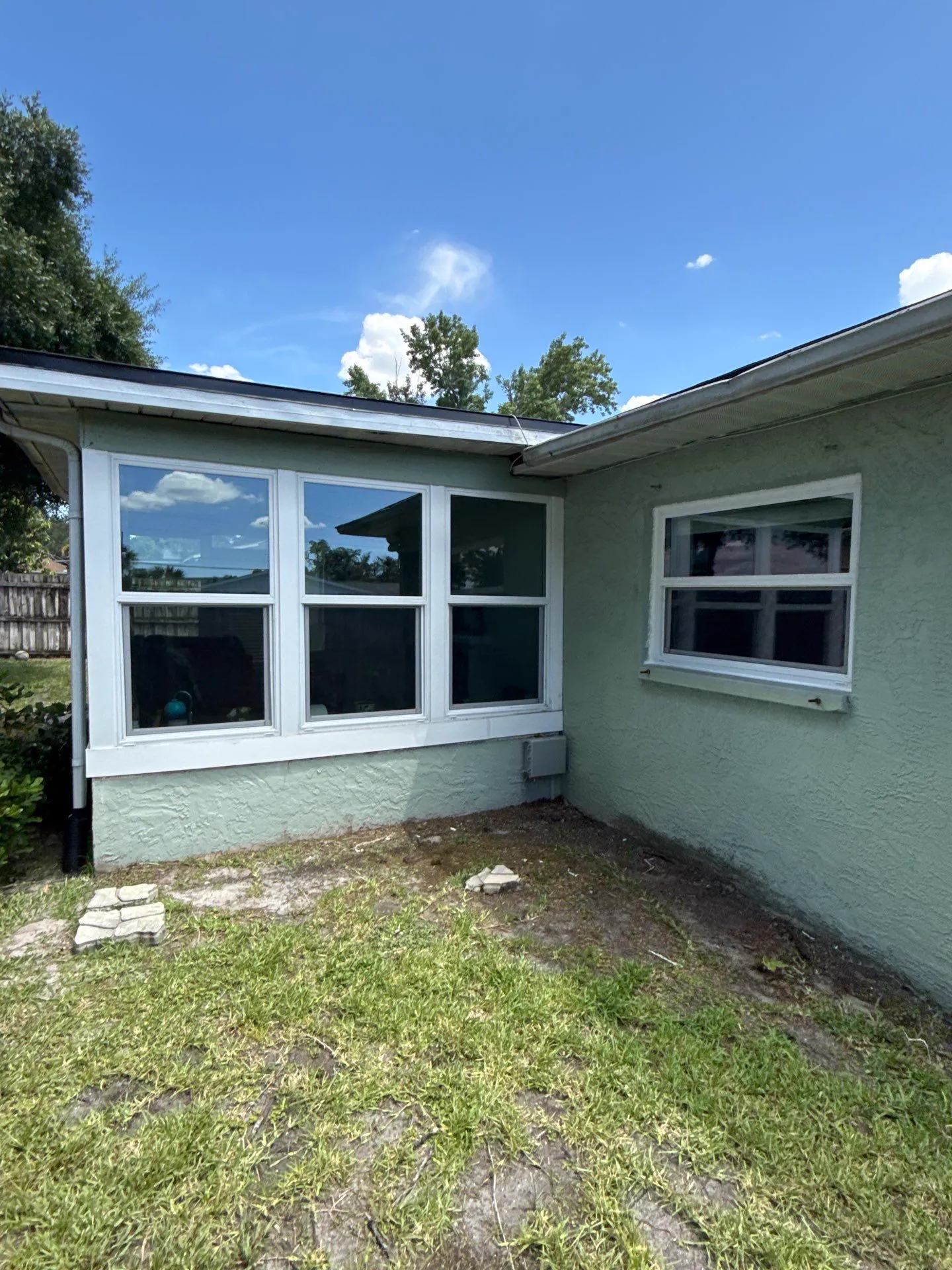
Can Impact Windows Reduce Internal Pressure?
Yes, impact windows can help limit the sudden pressure rise that may follow broken glass during a hurricane. Impact windows in Pinellas Park, FL, are built to help the opening stay intact instead of giving wind a wide path indoors. Fewer large breaches can mean less force building inside the house during severe weather.
Pressure control still depends on every major part of the exterior working together. Doors, roofing, vents, and other openings also need to stay secure as wind pushes against the home. A stronger window system supports that larger goal by helping protect one of the most exposed parts of the structure.
Pressure Shifting Between Rooms
Once storm wind gets inside, it can move far beyond the broken window. Air may rush through halls, open doors, and nearby rooms while searching for another path out. That movement can spread pressure changes into parts of the home that never faced the original impact.
Keeping exterior windows intact helps stop that chain reaction before it starts. Rooms are less likely to feel the effects of sudden airflow when the outer barrier stays closed. Better control at the window can help keep pressure more stable throughout the house.
Outside Suction Meeting Inside Force
Hurricane winds can pull hard on a house as air races over the roof and around the walls. Problems become more serious if indoor pressure starts pushing outward at the same time. Impact windows can help limit that added force by keeping wind from entering through broken glass.
The pressure battle can affect several parts of the home:
- Roof Edges Under Added Stress: Suction near the roof edge can pull upward on shingles, decking, and other materials. Extra pressure from inside can increase the load on those same areas and make weak spots more vulnerable.
- Wall Connections Taking More Force: Exterior walls must carry wind loads into the rest of the structure. Indoor pressure pushing outward can add strain where walls connect with the roof and framing.
- Openings Becoming Weak Points: Doors, windows, and other openings often face changing pressure as gusts hit different sides of the house. One failed opening can let more air inside and raise the force pressing against nearby parts.
- Pressure Changing With Wind Direction: Storm winds can shift quickly and move suction from one side of the home to another. Keeping the window system intact helps reduce the chance of indoor pressure adding to those changing outside forces.
Keeping wind outside gives the structure a better chance to handle the pressure changes happening around it.
Broken Opening Chain Reaction
Watch how one failed exterior opening can give storm air a path into other parts of a home.
- 1The sample home is sealed and the Exterior Window is intact.
- 2Storm Air approaches the window.
- 3The window changes to a labeled Failed Opening.
- 4Storm Air moves through the failed opening.
- 5Indoor pressure appears in the first room.
- 6Pressure arrows move toward the Roof Area.
- 7Pressure arrows move toward the Wall Area.
- 8Pressure arrows move toward a Nearby Opening.
- 9Every affected area stays labeled, beside a Before view of the sealed home.
Conceptual Pressure SpreadOnce storm air enters through a large exterior opening, pressure changes can spread beyond the room where the breach occurred.
- Dashed arrows. Storm Air outside and entering through the failed opening.
- Dotted area, solid arrows. Conceptual pressure spreading toward the roof, wall, and nearby opening.
- Dashed window outline. The Failed Opening. A solid outline with a check means Intact.
Read this sequence as text
- Before: the sample home is sealed and the Exterior Window is intact. No storm air is inside.
- Storm Air approaches the window from outside.
- The window becomes a Failed Opening, and storm air passes through it into the Interior Room.
- Indoor pressure builds in that room, then conceptual arrows point toward the Roof Area, the Wall Area, and through a doorway toward a Nearby Opening.
This is a simplified illustration and does not predict structural damage in a specific home.
Keep Storm Pressure in Check With Impact Windows in Pinellas Park, FL
Storm damage can grow fast once wind finds a way inside the home. Impact windows can help keep that pressure from spreading to the roof, walls, and other parts of the structure. Mitchell Windows and Doors can help homeowners add stronger protection before the next major storm arrives.
Talk About Storm Protection
Tell us about the windows you want to protect and a local Mitchell Windows and Doors team member will follow up.
Frequently Asked Questions
Impact windows help keep strong wind from rushing into the home through broken glass. Keeping that opening sealed can reduce sudden pressure changes inside the house.
Indoor pressure can rise fast when hurricane winds enter through a failed window. That added force may place more stress on the roof, walls, ceilings, and connections.
Yes, impact windows can support the entire building envelope by helping keep storm winds outside. A stronger exterior barrier can reduce the chance of pressure spreading through the home.
A sealed home gives strong winds fewer ways to enter and build pressure indoors. Limiting those openings can reduce extra forces acting on the structure.
Flying debris can break standard glass and create a large opening for wind. Impact windows are built to resist that type of damage and help keep the home closed.