
Aging Windows Becoming a Daily Headache? What New Impact Windows Could Change for Pinellas County Homeowners
Your old windows shouldn't have their own repair budget. Fixing a broken lock feels pointless when another problem shows up soon after. Investing in impact windows in Pinellas County, FL, offers a better solution than constantly paying for repairs.
Patching each problem still leaves you with an aging window system. New impact windows replace worn parts while adding built-in storm protection. Homeowners also get a chance to enjoy better comfort and fewer daily frustrations.
Hire Mitchell Windows and Doors to install new impact windows and leave those old window headaches behind.
Learn how replacing your aging windows can solve problems that quick repairs keep missing.
Key Takeaways
- Replacing aging windows helps end the frustrating cycle of costly repairs and worn-out parts.
- New impact windows add storm protection while helping reduce drafts and outdoor noise.
- A complete window upgrade means easier operation, clearer views, and fewer maintenance headaches.
Break Free From Constant Window Repairs
Another broken window lock means another bill you didn't plan for. Aging windows can turn into a steady list of repairs as seals crack, rollers wear down, and moving parts stop working. Fixing one piece doesn't change the condition of everything else that's getting old.
Those repair costs can pile up without giving you windows that work the way they should. New impact windows come with fresh frames, hardware, and glass designed to work together as a complete system. Instead of chasing the next broken part, you can put that repair money toward replacing the worn-out windows.
Get More Than Another Lock Replacement
A brand-new lock won't solve much if the window frame has shifted out of place. Older frames can bend or warp, making it harder for the locking parts to line up. You might still struggle to secure the window even after paying for fresh hardware.
New impact windows come with locks, frames, and moving parts designed to fit together. The window should close firmly without forcing the handle or pushing against the sash. Replacing the entire unit also removes the worn parts that made locking your old window such a hassle.
How a Warped Frame Changes the Locking Position
Watch an exaggerated, conceptual window frame slowly lose its shape while a close-up shows the keeper drifting away from the latch.
Why the Complete Window Assembly MattersWindow hardware works together with the frame and sash. When an aging frame no longer holds its intended shape, a new lock may not resolve the problem. Replacing the complete window unit can address worn components as part of a properly selected and installed system.
Why a New Lock Cannot Always Fix a Warped Window
Window locks depend on accurate alignment between the latch and keeper. When an aging frame changes shape, those parts may no longer meet correctly. Even functioning hardware can become difficult to use when the surrounding window assembly is out of position.
This is an exaggerated conceptual illustration, not a measurement or product test. Actual lock operation depends on window design, frame condition, sash alignment, hardware, installation, and maintenance. The demonstration cannot determine whether a specific window needs repair or replacement.
- 1The Complete Window Assembly
- 2How the Latch and Keeper Align
- 3A Properly Positioned Window Frame
- 4The Frame Begins Changing Shape
- 5The Keeper Moves Out of Alignment
- 6The Locking Hardware No Longer Lines Up
- 7Compare Aligned and Warped Frame Conditions
- 8Complete Lock Alignment Explanation
Read this visual as text
- The window lock works with the frame and sash: a window's locking mechanism depends on the relationship between the operating sash, latch, keeper, and surrounding frame.
- The latch and keeper need to line up: a properly aligned locking mechanism allows the latch to engage its matching keeper when the window closes.
- A correctly shaped frame supports alignment: the frame and sash are designed to maintain the positions needed for normal window operation and locking.
- An aging frame may change shape: aging, movement, damage, or other conditions may alter a window frame's intended shape and affect the relationship between its operating parts.
- Frame distortion can shift the keeper's position: if the frame or sash changes position, the keeper may no longer line up with the latch as intended.
- A working lock may still be difficult to engage: a latch may remain functional while its position no longer matches the keeper. Replacing the lock alone may not address the underlying frame problem.
- Compare proper alignment with frame distortion: a correctly positioned frame supports normal lock engagement. Frame distortion may disrupt that alignment even when the locking components themselves have not failed.
- Why the complete window assembly matters: when an aging frame no longer holds its intended shape, a new lock may not resolve the problem. Replacing the complete window unit can address worn components as part of a properly selected and installed system.
Can New Impact Windows Make Everyday Use Easier?
Opening a window shouldn't feel like a workout. Sticking sashes and worn tracks can make a simple task frustrating, even when you just want some fresh air. New impact windows offer updated operating parts that let you open and close them with less effort.
Sliding windows move along tracks, while single-hung styles open by lifting the lower sash. Each design gives homeowners a different way to let air inside without wrestling with old hardware. Accurate measurements and proper installation help the new windows move freely without scraping or getting stuck.
Replace Aging Glass With Built-In Storm Protection
Hurricane warnings can send homeowners scrambling to cover windows before the weather turns dangerous. Approved impact window systems offer built-in protection against windborne debris, removing the need for separate storm coverings when installed according to their approval requirements.
Laminated Glass Helps Keep Debris Outside
Flying branches and loose objects can strike windows during a hurricane. Impact glass has a tough inner layer designed to hold broken glass together after a hit. This helps keep the window opening covered even if the outer glass cracks.
Reinforced Frames Support the Glass
Storm protection depends on more than the glass itself. Impact window frames must withstand wind pressure without pulling away from their supports. Secure anchors and approved installation methods help the entire unit resist the forces of a storm.
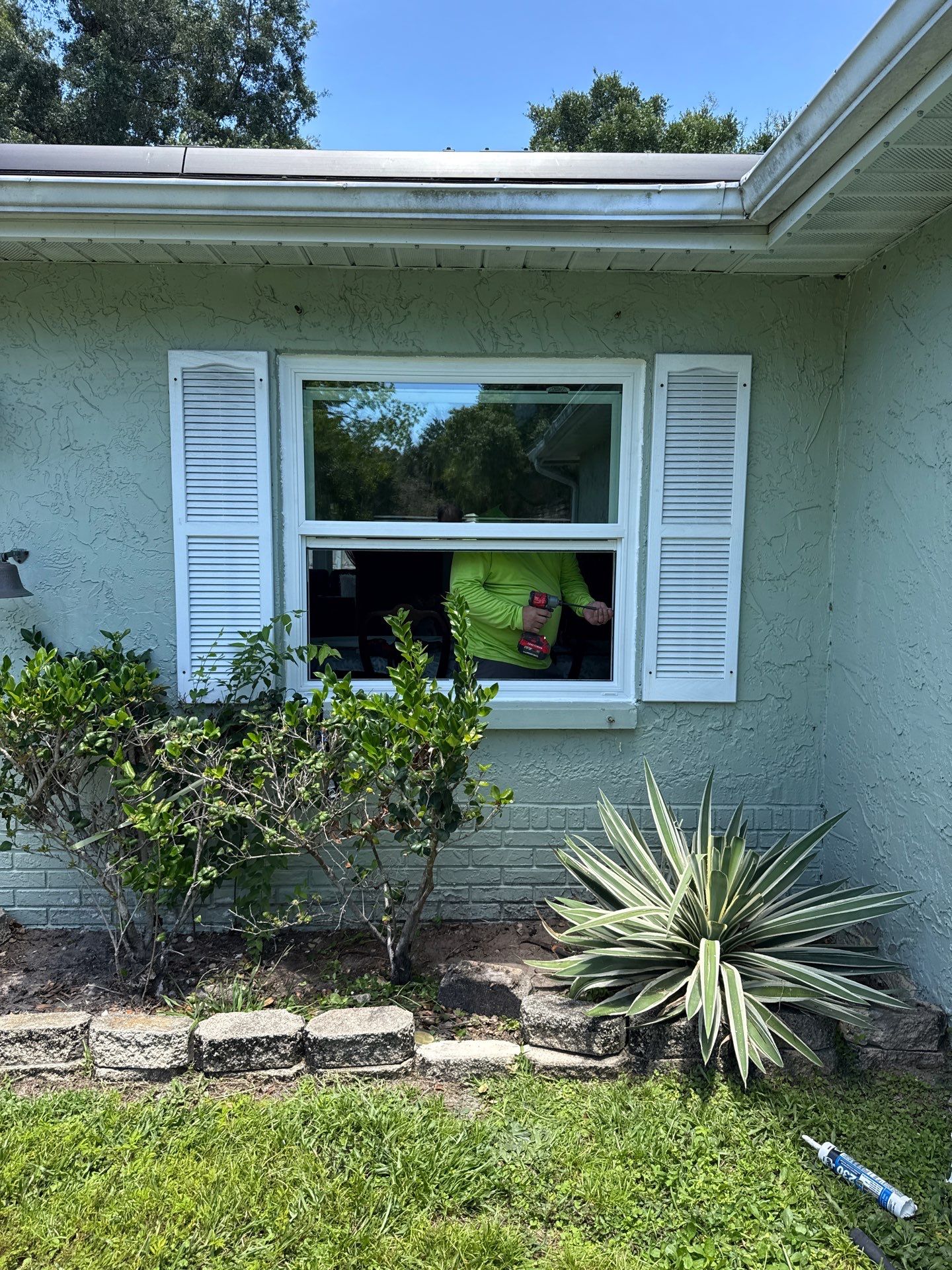
Keep Outdoor Air From Slipping Through Old Gaps
Feel a warm breeze near your window even though it's shut? Worn seals and small gaps around aging frames can let Florida's hot, humid air creep indoors. Your air conditioner then has to cool the extra heat entering the room.
Fresh frames and tight seals on new impact windows can cut down on drafts around closed openings. Glass with a Low-E coating can also reflect some of the sun's heat away from your home. Rooms near sunny windows may feel more comfortable without as much heat coming through the glass.
Enjoy a Quieter Home Without Worn Window Frames
Passing cars and barking dogs can sound much louder when your windows no longer fit tightly. Loose glass may rattle inside an aging frame, adding to the noise you hear indoors. Even a closed window can let street sounds pass through worn seals and poorly fitted parts.
Laminated glass in new impact windows can help soften some of those sounds before they reach your living space. A snug fit around the frame also closes off gaps where noise can travel inside. You may notice less traffic noise during dinner or fewer distractions while watching television.
Address Water Problems During a Complete Window Upgrade
Peeling paint around an old window could mean rain has been getting inside for years. Moisture can damage the trim, soften the wood framing, and leave stains on nearby drywall. Replacing the window gives installers a chance to uncover trouble that fresh caulk would only hide.
The condition of these hidden areas can affect how well your replacement window keeps water outside:
- Rotten Wood Around the Opening: Soft or crumbling wood may no longer hold window fasteners securely. Damaged framing needs repair so the replacement unit has a solid place to attach.
- Failed Window Flashing: Old flashing can pull away or develop gaps where rain enters behind the exterior wall. Installers should check how the new flashing connects with the surrounding water barrier.
- Damaged Window Sills: Years of leaks can leave the sill beneath a window swollen or uneven. A damaged sill may need repair so the replacement window sits level and drains as designed.
- Gaps Around the Window Frame: Empty spaces between the new frame and wall can leave paths for air and moisture. Suitable sealants and flashing materials help protect these joints without blocking the window's drainage openings.
Fixing hidden water damage during installation gives the new window a sound opening instead of leaving old problems buried behind fresh trim.
The Swollen Sill That Changes the Opening
Watch a conceptual wall cutaway as moisture reaches a wooden sill, the sill slowly swells above its original line, and a replacement window outline shows why the opening needs attention first.
Compare a Sound Opening With a Damaged SillA sound sill supports accurate window positioning. Moisture-damaged sill materials may change the opening and require attention before installation.
Why a Swollen Sill Matters Before Window Installation
A replacement window depends on the condition of the opening around it. When moisture damages the wooden sill, swelling or deterioration may change the supporting surface. Professional evaluation helps determine whether the sill needs repair before the new window is positioned and secured.
This is a conceptual architectural illustration, not an installation specification or moisture inspection. Actual requirements depend on the window system, surrounding construction, condition of the wood, applicable product approvals, and installation instructions.
- 1The Window Opening and Supporting Sill
- 2The Sill's Intended Shape
- 3Moisture Reaches the Wooden Sill
- 4The Sill Begins Changing Shape
- 5Swelling Creates an Uneven Support Surface
- 6The Replacement Window Position Is Revealed
- 7The Distorted Sill Requires Evaluation
- 8Complete Sound-Sill Versus Damaged-Sill Comparison
Read this visual as text
- The window opening depends on supporting materials: a replacement window is installed into an opening formed by surrounding building materials. The condition of those materials affects how the new window can be positioned and secured.
- A sound sill provides a stable supporting surface: a sound supporting sill helps provide the opening conditions needed for accurate window positioning and installation.
- Repeated moisture can affect wood around the opening: water reaching wood around a window opening can contribute to swelling, deterioration, or other changes in the supporting material.
- The wooden sill may lose its intended shape: prolonged moisture exposure can cause wood to change shape. A damaged sill may no longer provide the same supporting surface it originally did.
- An uneven sill changes the window opening: swelling or deterioration beneath a window can alter the opening and interfere with the stable positioning of a replacement unit.
- A replacement window needs a properly prepared opening: a replacement window must be positioned and secured within a properly prepared opening. Damaged sill materials may interfere with that process.
- The supporting sill must be evaluated: professional installers need to assess the supporting materials and address relevant damage before securing the new window.
- Compare a sound opening with a damaged sill: a sound sill supports accurate window positioning. Moisture-damaged sill materials may change the opening and require attention before installation.
Put Your Window Repair List to Rest With Impact Windows in Pinellas County, FL
Another repair might fix today's problem, but it won't make your aging windows new again. Replacing them with impact windows gives your home fresh materials, easier operation, and built-in storm protection. Mitchell Windows and Doors can install your new impact windows so you can spend less time dealing with worn-out parts and more time enjoying your home.
Frequently Asked Questions
Many impact windows are available in sizes that work with existing openings. A professional installer will measure each opening and check which approved window options fit your home.
Removing aging windows sometimes reveals damaged wood, moisture problems, or weakened materials around the opening. These issues should be repaired before installing the new impact windows.
Compare the cost of replacing your windows with what you spend on repeated repairs. Investing in impact windows also gives you built-in storm protection and new components instead of continuing to maintain aging parts.
No, impact windows still need regular cleaning and occasional checks to keep their parts working properly. Following the manufacturer's care instructions helps protect your investment and prevent avoidable problems.
Homeowners can usually stay in their houses while professionals replace their windows. Expect some noise and temporary limits on access to rooms where installation is taking place.
Ready to Stop Repairing the Same Old Windows?
Worn locks, sticking sashes, damaged seals, and aging frames can make everyday life frustrating. Mitchell Windows & Doors installs impact windows that combine new components with built-in storm protection. Request an estimate to explore options for your Pinellas County home.